Los Angeles law firms moving offices, opening a new one or refitting the floor they lease can give ClearMax technicians the whole technology side as one job: cabling, WiFi with a separate visitor network, conference room screens, badge readers, entry cameras, and the server and computers. One written scope, one schedule, no monthly contract required.
Last updated: November 2026
- 1Plan. Jacks, access points, readers, cameras and the closet go on the floor plan.
- 2Quote. A written scope with the City permit on it.
- 3Build. Wiring at rough-in, devices after finishes.
- 4Hand over. Everything tested, everything recorded.
What the project covers
- Network cabling and WiFi to every office, conference room and printer, with a guest network that cannot reach the firm's files.
- Access control on the entrance, the file room and the network closet.
- Security cameras at entries and corridors, with no audio and no view into a meeting room.
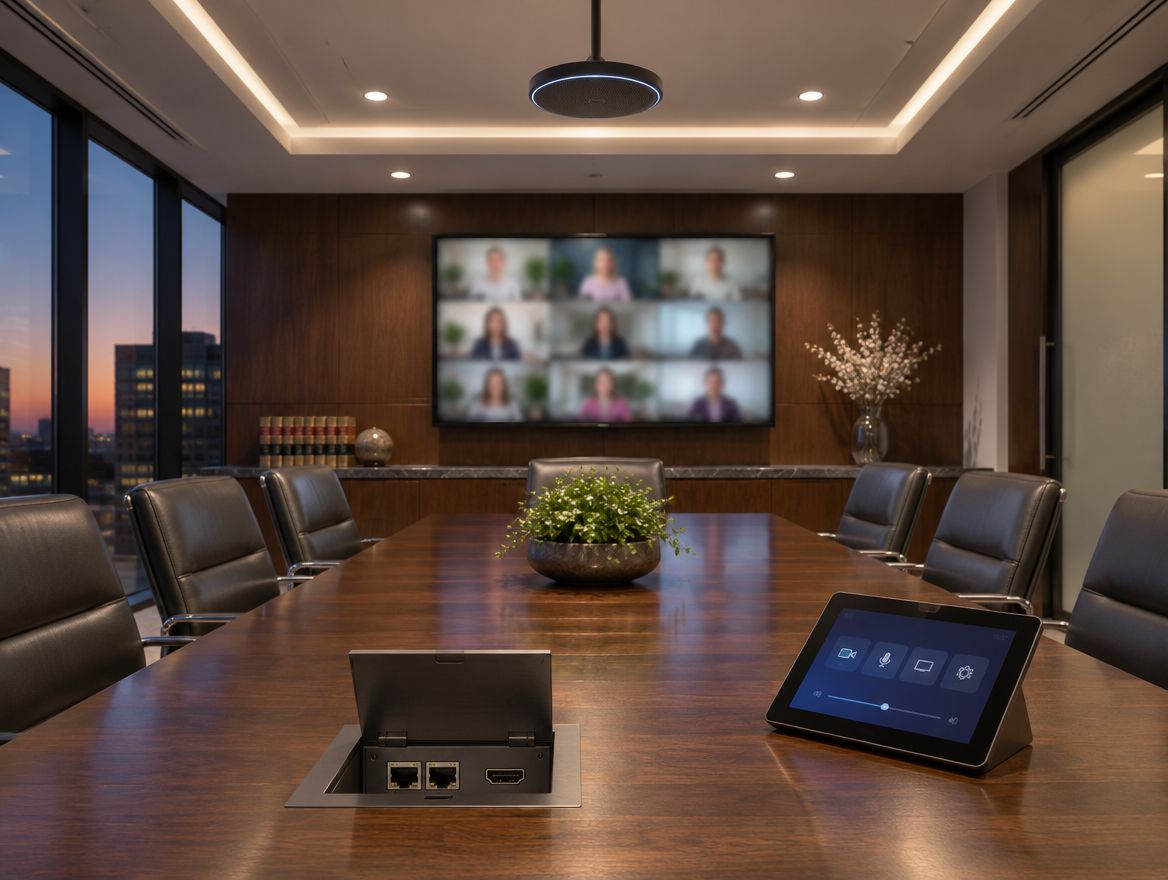
- Conference room displays with the cabling behind them.
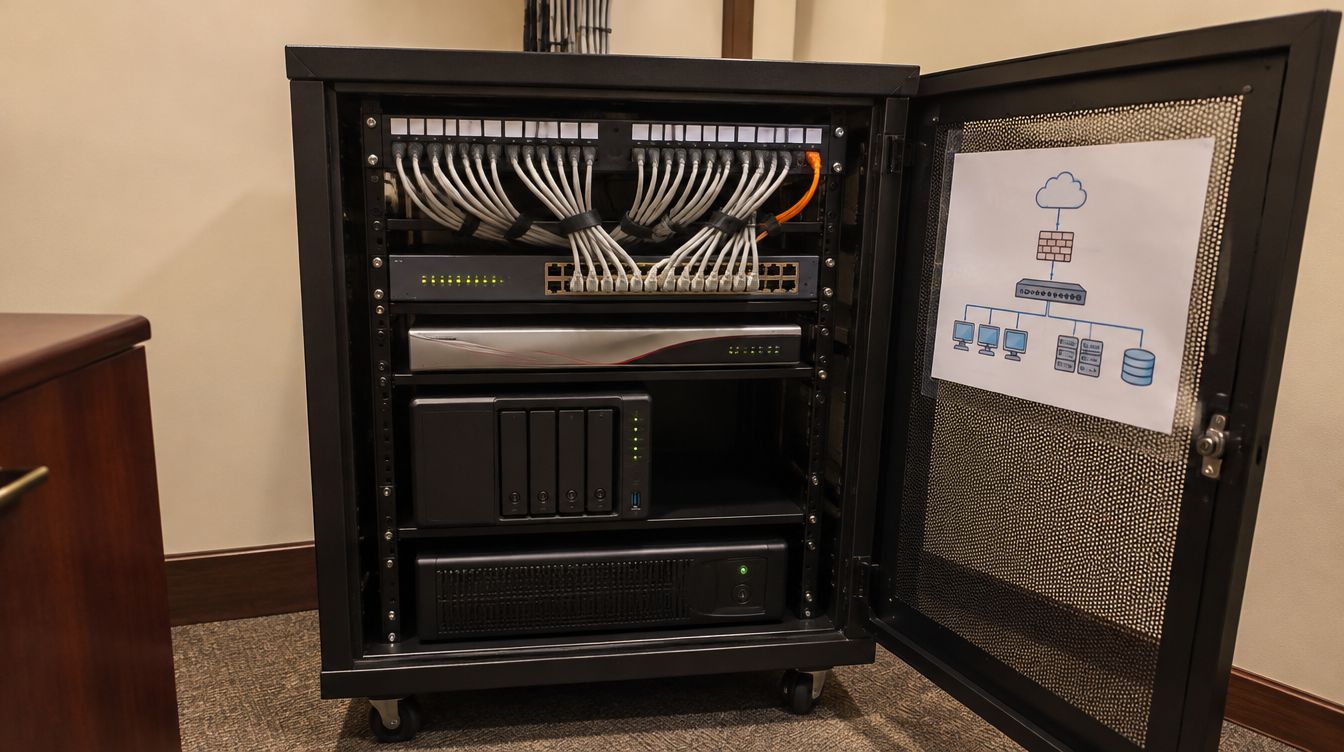
- The closet: switch, firewall, battery backup and a logged door.
Server and computers
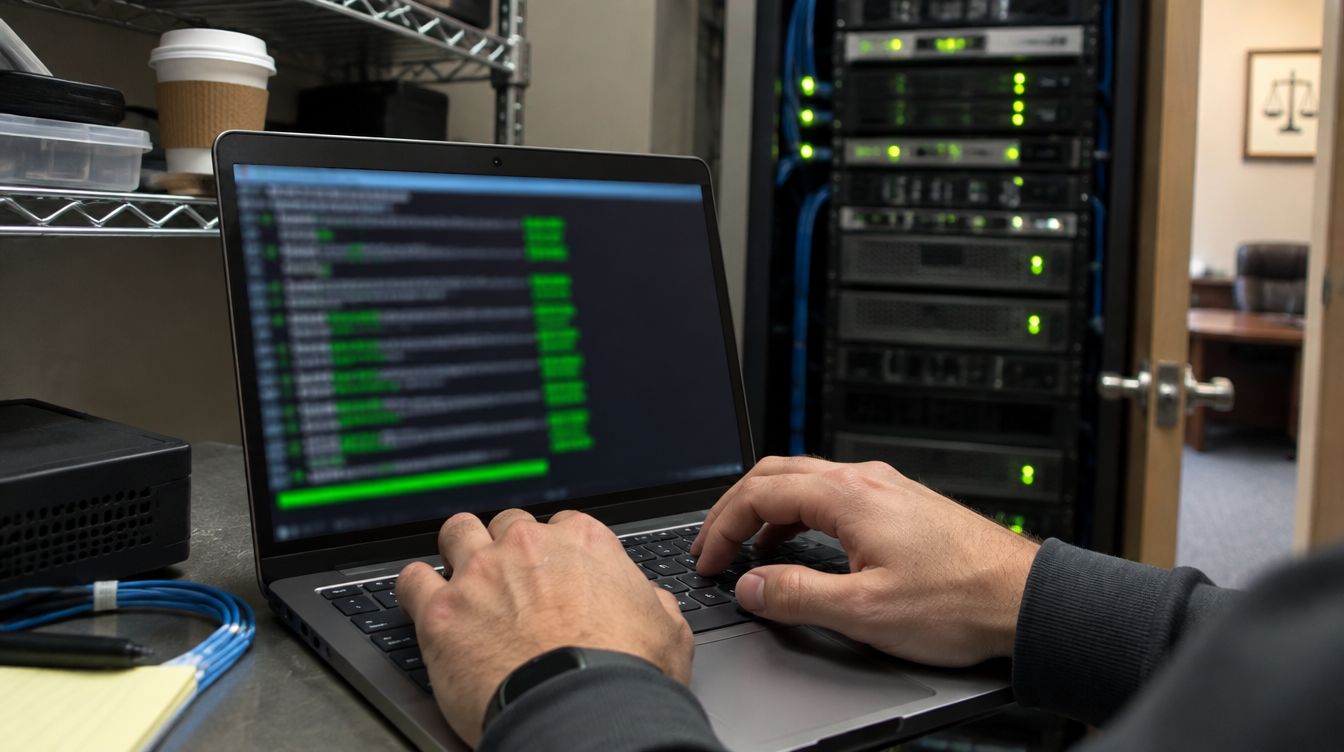
These come last. The firm decides early whether its documents stay on a server in the office or move to a hosted service, and whether computers move or are replaced. If a server stays, it is built in the new closet before the move and tested from real desks before anyone relies on it. Licenses and accounts are bought in the firm's name.
Why California raises the stakes
California's Business and Professions Code makes it a lawyer's duty to maintain inviolate the confidence, and at every peril to preserve the secrets, of the client. Rule 1.6(a) of the California Rules of Professional Conduct says a lawyer shall not reveal information protected by that section without informed consent or a permitted exception. Neither names equipment, and nothing here is legal advice. A buildout simply decides, for the length of the lease, who can open the file room, what a visitor's laptop can reach and what a hallway camera can see.
Civil Code 1798.82 also requires a business that conducts business in California and owns or licenses computerized data that includes personal information to disclose a breach of the security of the system. Readable door history and camera footage kept long enough help a firm establish what was reached.
What makes a law office different
- The file room and the network closet each get their own logged door, separate from the entrance.
- Printers and scanners are wired to the firm network, because they hold scanned pleadings and exhibits.
- Conference rooms used with clients get no camera and no device that records sound.
- The visitor network is tested from a guest laptop to prove it cannot reach the firm's server or printers.
- Old drives leaving the firm are wiped or destroyed, and the date is written down.
California's competence rule also asks lawyers to keep abreast of the benefits and risks associated with relevant technology. The handover record is written so a partner can read it and explain what the firm has.
Building in Los Angeles
The City's electrical permit application lists communication permits as their own type, so the scope names whether the job needs one. The 2025 California Building Code took effect on January 1, 2026, and door locks are chosen from its sections. Building management sets the rest: work hours, freight elevator, and any change to the entrance.
Why one team handles every trade
Moves often bring a cabling company, an alarm installer, a camera vendor and an IT provider, each with its own drawing. Cameras arrive with no free switch ports, the door controller has no network drop, and the conference screen goes up with nothing behind the wall. One written scope plans the cabling, doors, cameras and closet together and tests them as one system before handover.
Many Los Angeles firms also take space in older buildings, where ceilings hide abandoned cable and the closet has to be carved out of storage. Those conditions are photographed and priced up front, so the schedule holds when the ceiling tiles come down.
Phone and form hours
- Phone
- Weekdays, 8:00 AM to 5:00 PM Pacific, at (213) 692-0057.
- Form
- Any time, on the contact page.
Before you book
When should IT join the lease conversation?
Before the space plan is final, while moving a closet costs nothing.
Is a monthly plan required?
No. A managed IT plan is optional, and the buildout is priced the same either way.
How does the quote get built?
From the details the firm sends. Extra work found later is raised and priced before it is done.